

Mission
Drawing on a rich tradition of Quaker values and practices, Princeton Friends School is committed to creating a diverse, vibrant learning community in which young people engage their natural curiosity; discover and express their individual voices and gifts; acquire intellectual, physical, artistic, and life skills; and develop a sense of responsibility for themselves and others. Princeton Friends both prepares students for the world that is and models possibilities for the society that these young people will one day help to create.
There are three principles we are committed to living every day at Princeton Friends School:
- Respect for All. We honor the unique gifts of every individual as we celebrate the diversity of human experience.
- Lifelong Learning. Intellectual growth and discovery are the work of a lifetime.
- Responsibility in the World. We are committed to living in harmony with the Quaker testimonies of simplicity, peace, integrity,
community, equality, and stewardship.
Princeton Friends School’s values and mission are expressed through the school’s program and curriculum, through its educational philosophy and practice, and through its culture and ethos.
Our shared vision manifests itself in the life of the school in the following ways:
- Our faith in each student’s capacity to learn, combined with our commitment to address individual learning needs and styles within a supportive, non-competitive academic environment;
- Our interdisciplinary curriculum organized around a common theme, planned and carried out collaboratively across the grades through direct, hands-on experiences;
- Our emphasis on community, including regular mixing of students across grade levels, all-school projects and events that celebrate our diversity and commonality, an expectation of ethical and civil behavior on the part of children and adults, and an inclusive process of decision-making that honors individual voices, the needs of various constituencies, and the welfare of the community as a whole;
- Our commitment to community service, local and global human rights, peaceful resolution of conflict, and environmental stewardship;
- A spirit of simplicity and gratitude infusing all that we do.
In keeping with the Quaker notion of continuing revelation, we regularly revisit, redefine, and reaffirm our guiding principles and practices. While these aspects of Princeton Friends’ program are natural outgrowths of the school’s Quaker philosophy, they are by no means exclusive to Quakerism. Indeed, the school reaches out to families from all religious and non-religious backgrounds and is instructed and enriched by their presence.
The point is not merely to challenge students - after all, harder is not necessarily better - but to invite them to think deeply about issues that matter and help them understand ideas from the inside out.
- Alfie Kohn, "Progressive Education: Why It's Hard to Beat but Also Hard to Find"





Progressive Education at Princeton Friends School
Progressive education is an educational philosophy that prioritizes the holistic development of each student, focusing on their academic, social, and emotional growth. Unlike traditional education, which often emphasizes standardized testing and memorization, progressive education is student-centered, encouraging hands-on, experiential learning and critical thinking.
This approach to education is about cultivating curiosity, empathy, and lifelong learning. As modern advocates like Alfie Kohn emphasize, progressive education promotes collaboration, self-directed learning, and a sense of social responsibility, helping students to become engaged, active members of their communities.
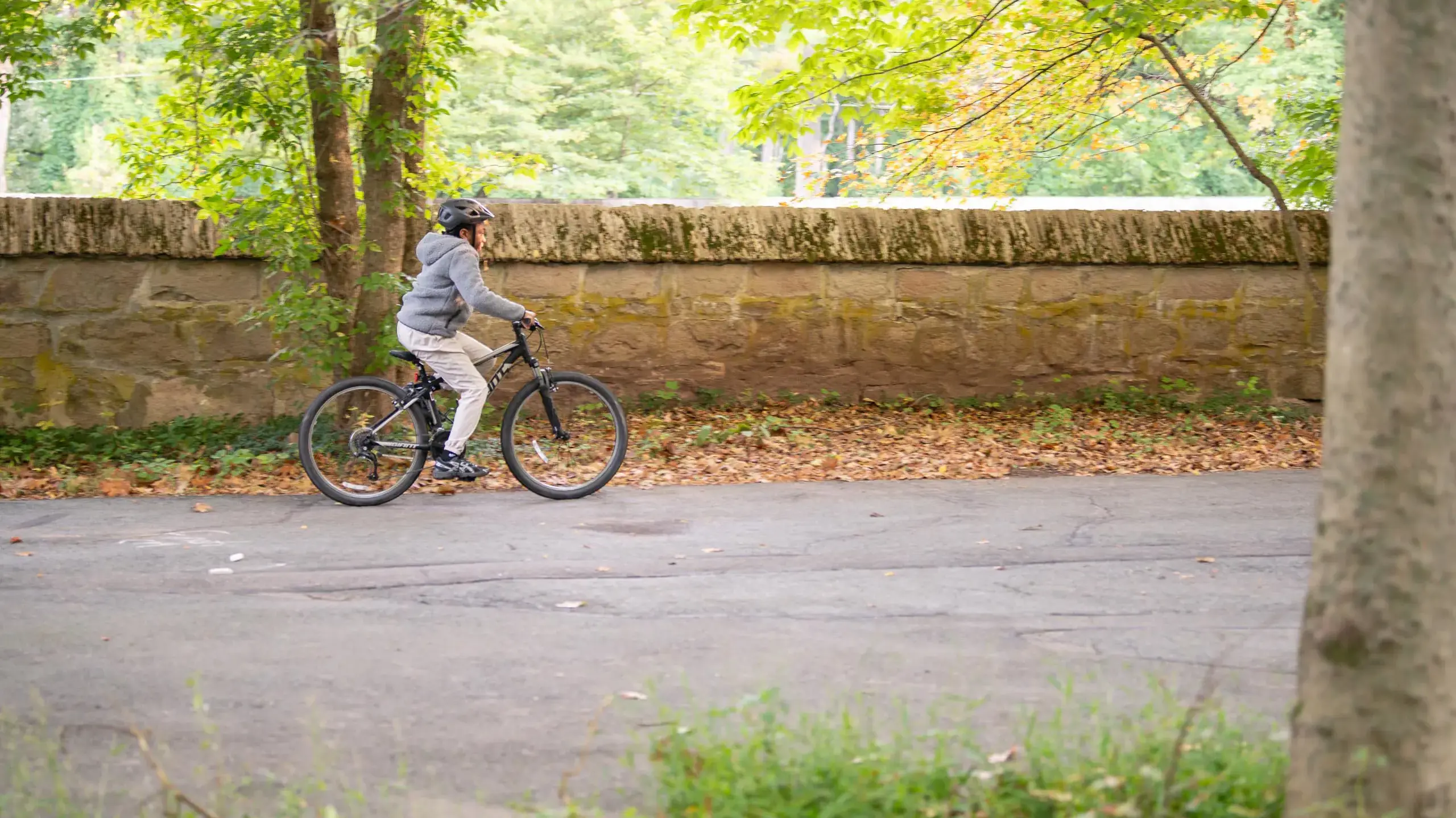
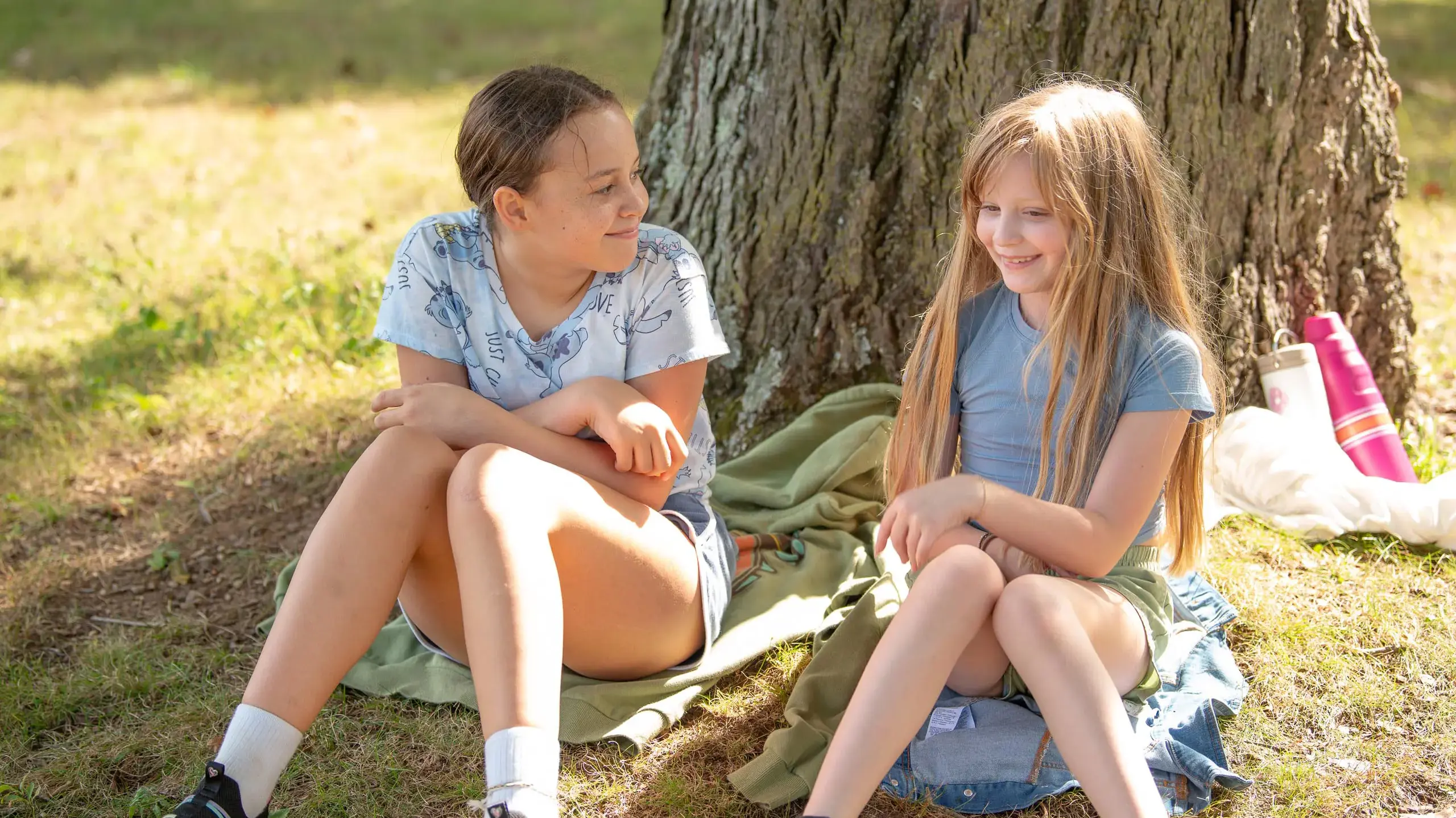
At Princeton Friends School, progressive education is woven into everything we do. Our student-centered approach values curiosity, exploration, and hands-on learning, creating an environment where students actively engage in their own educational journey. You’ll see progressive education in our mixed-age classrooms, where students learn to collaborate, think critically, and support each other.
We emphasize experiential learning, whether it’s through place-based outdoor education, community service projects, or inquiry-based classes that encourage students to ask questions and explore real-world issues.
Guided by Quaker values, we prioritize social responsibility, empathy, and inclusion, fostering a compassionate community where students are empowered to become thoughtful, engaged citizens.