
Rooted in Quaker values and progressive practice, we work for equity—not as a label, but as daily choices that widen access, remove barriers, and nurture a deep sense of belonging across identities.
We hold ourselves accountable to create a school where care, curiosity, and dignity guide how we learn and live together.
As a Quaker school, we are only as strong as our community is diverse, and our students and families represent a wide range of cultural, racial, religious, linguistic, socioeconomic, and neurodiverse backgrounds.
Belonging in Action at PFS
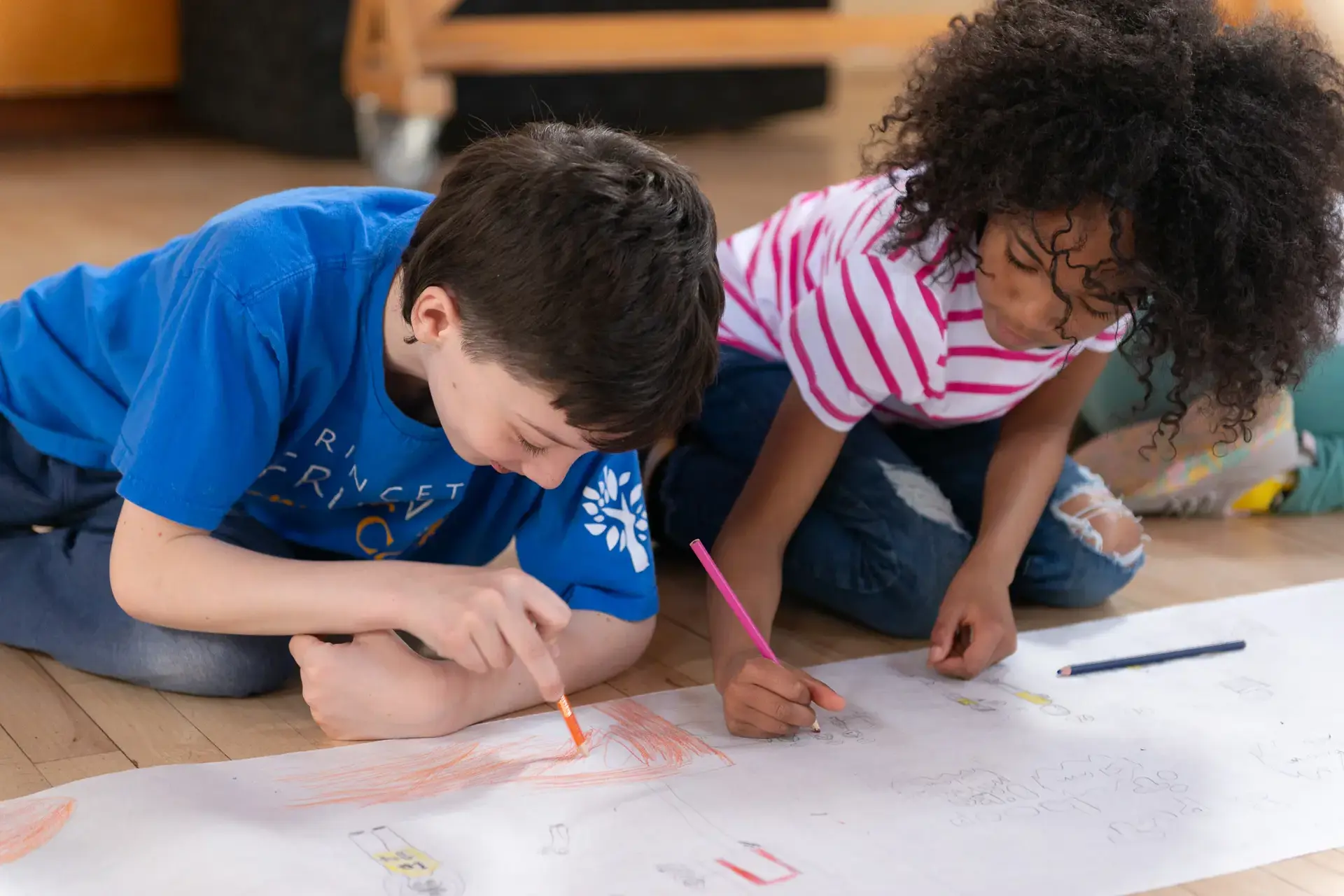
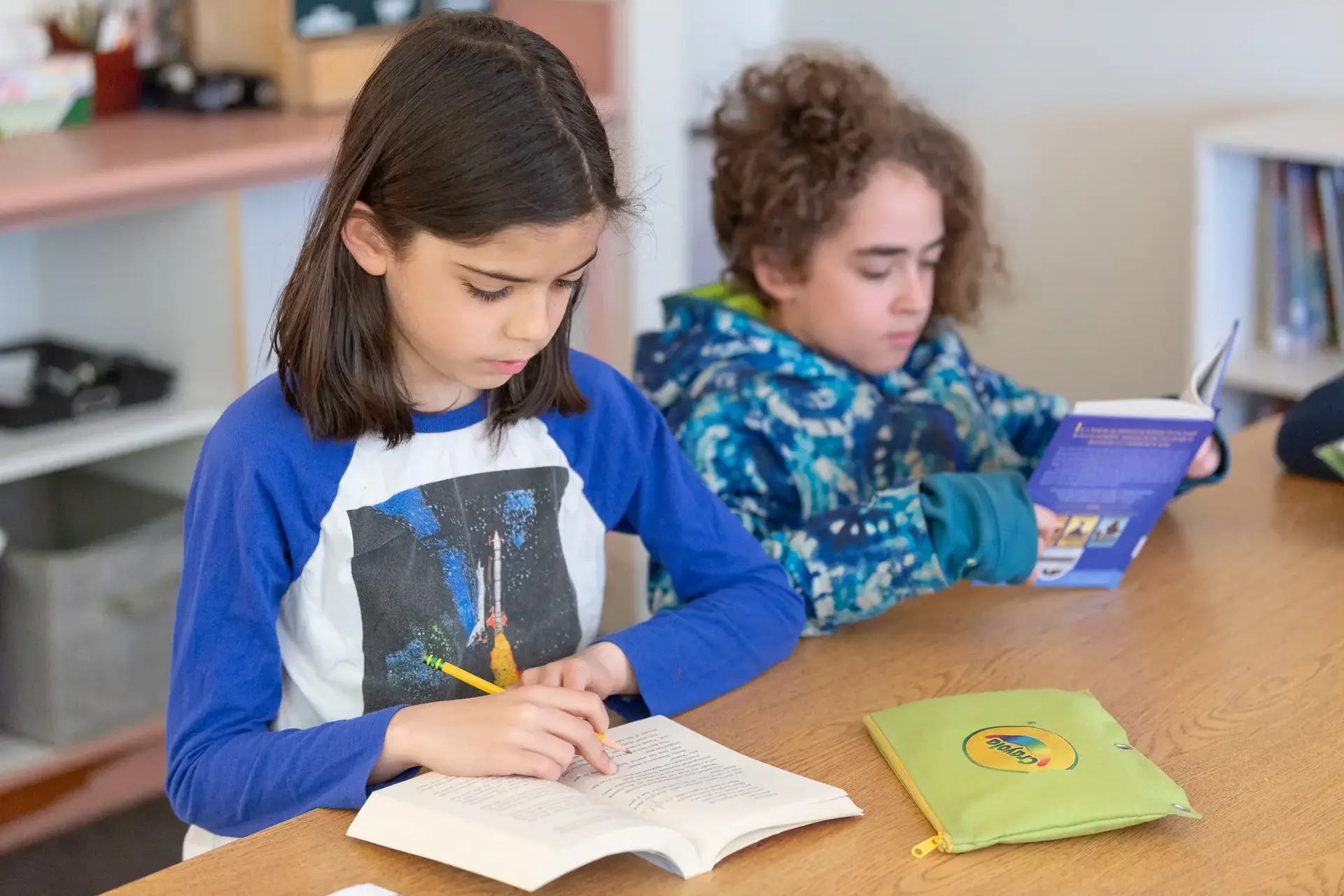
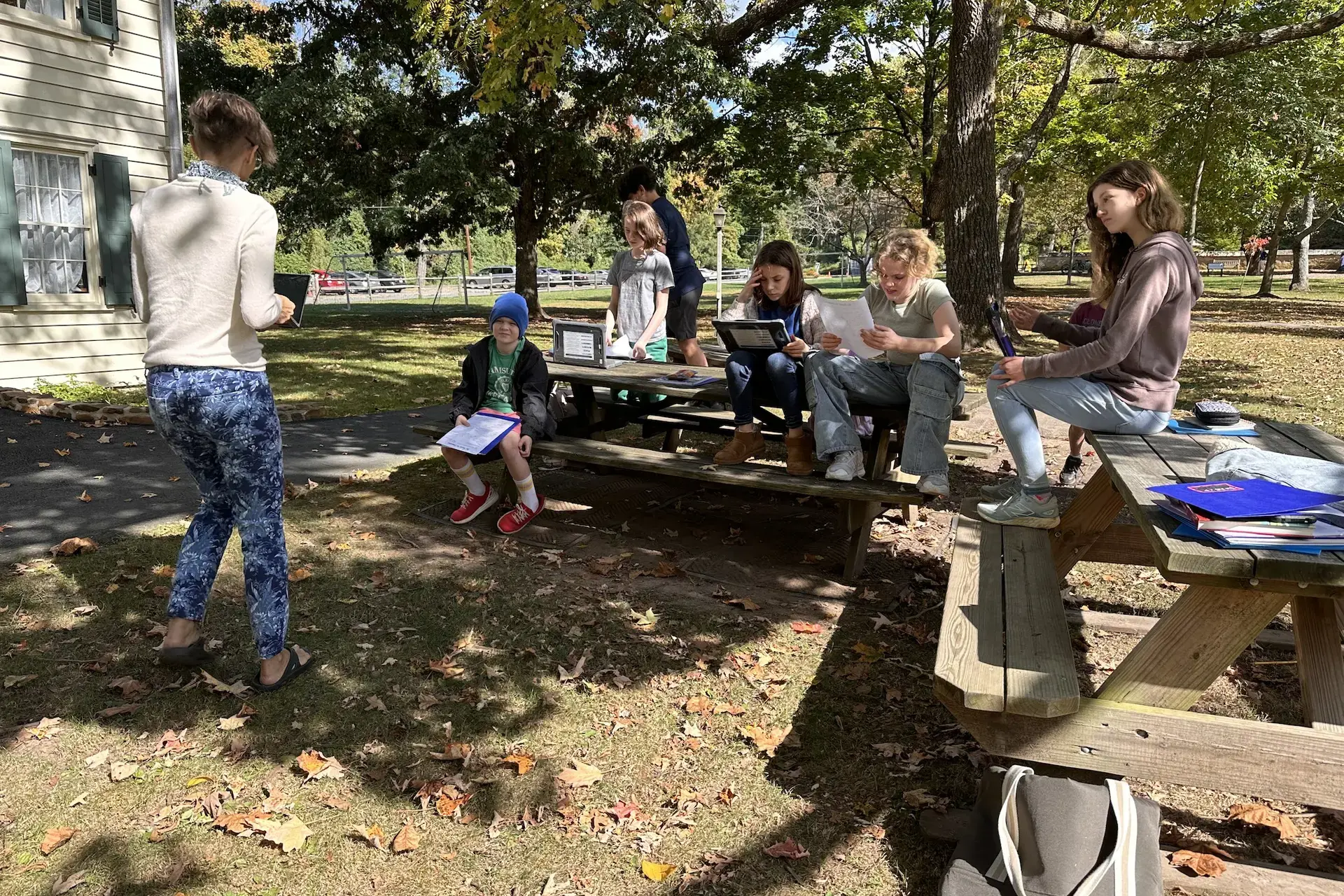
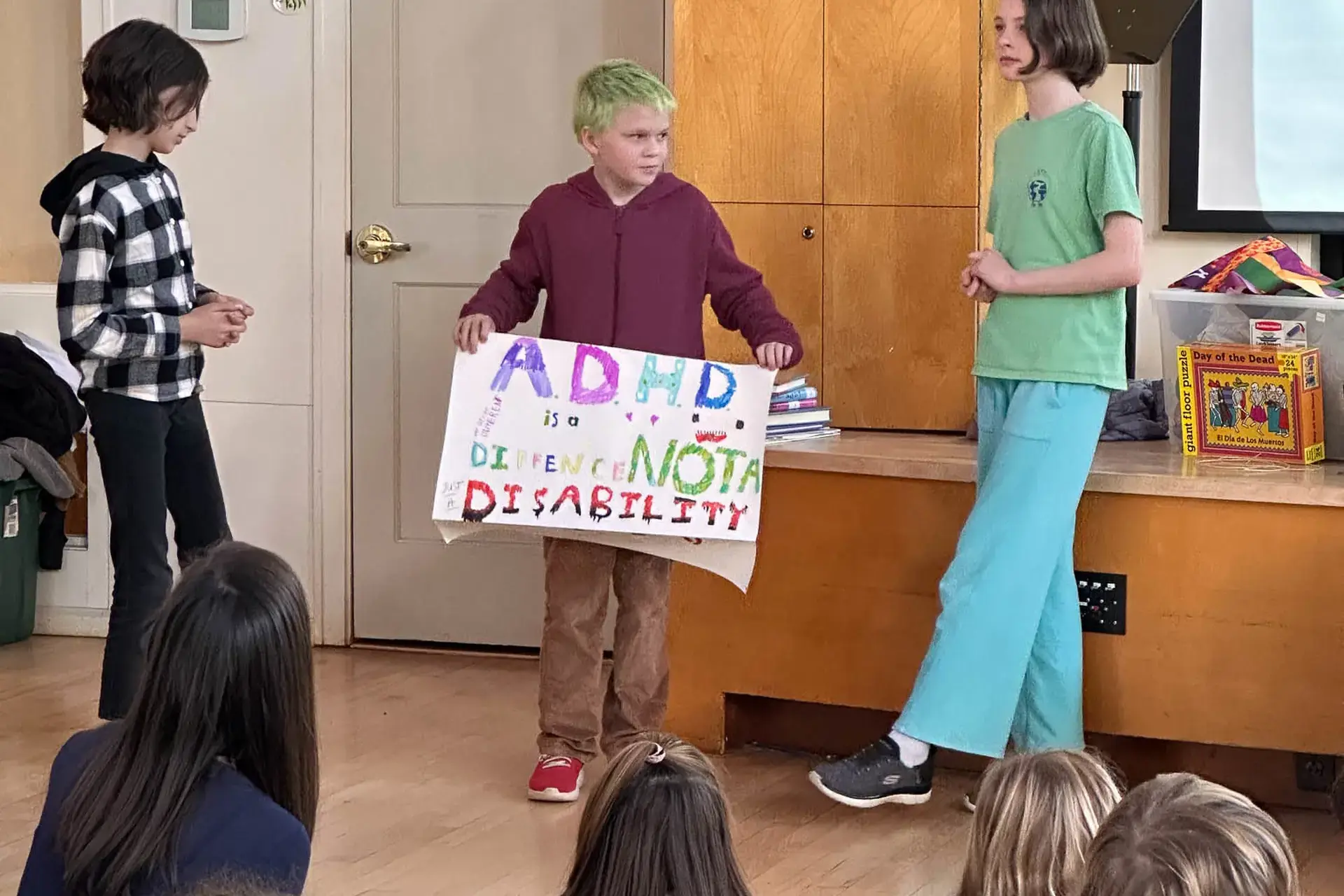
Heritage Months & Awareness Days at Princeton Friends
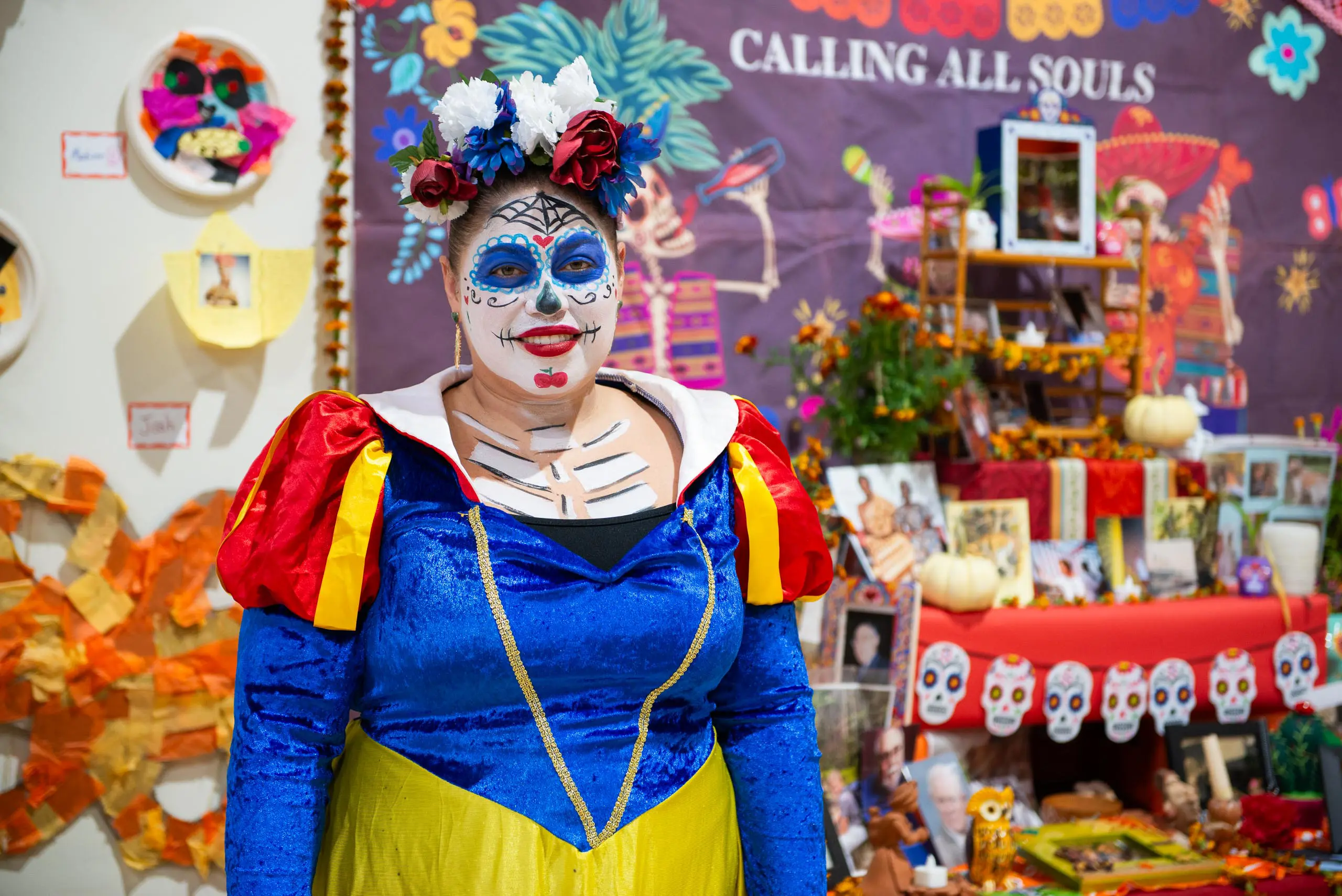
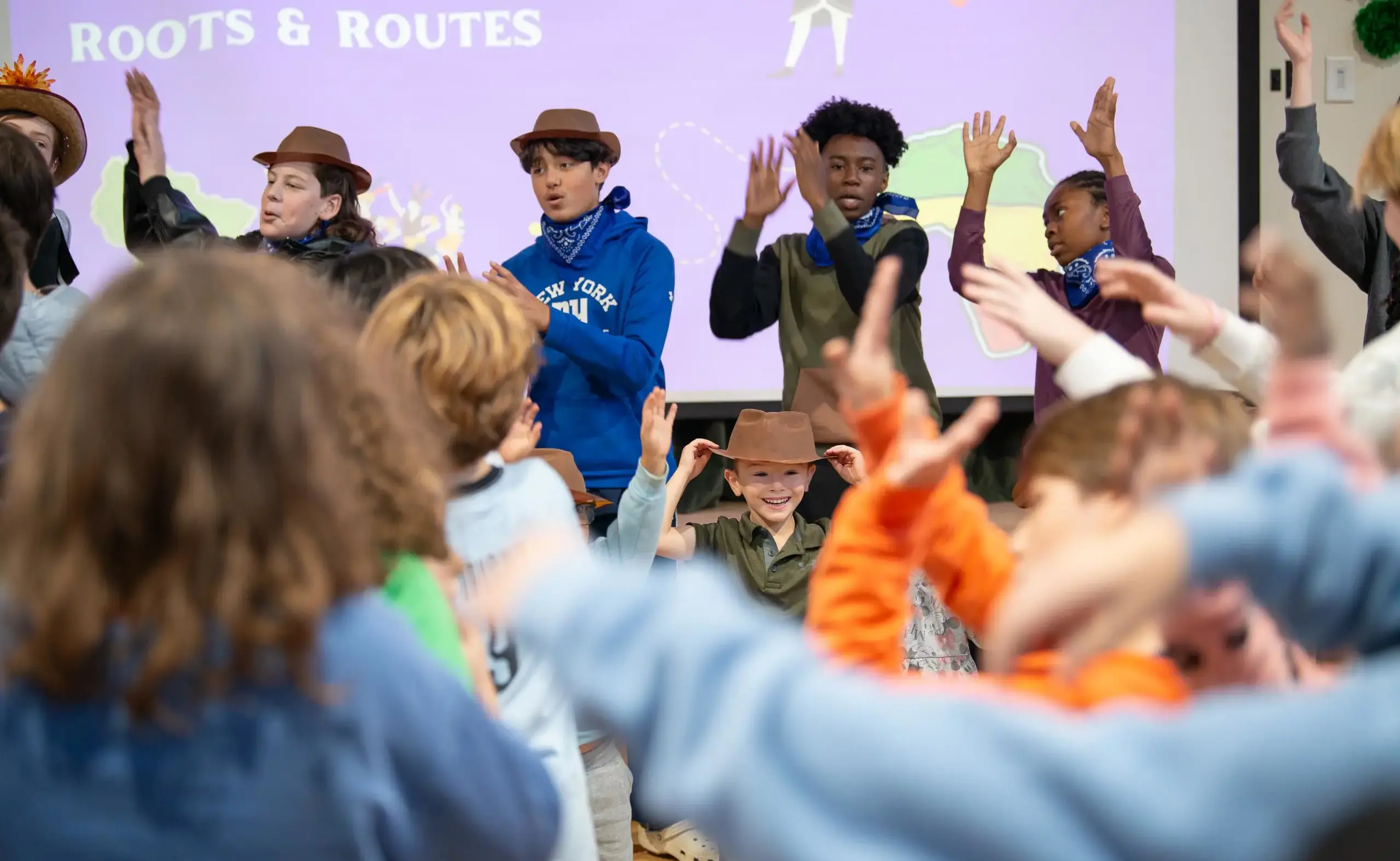
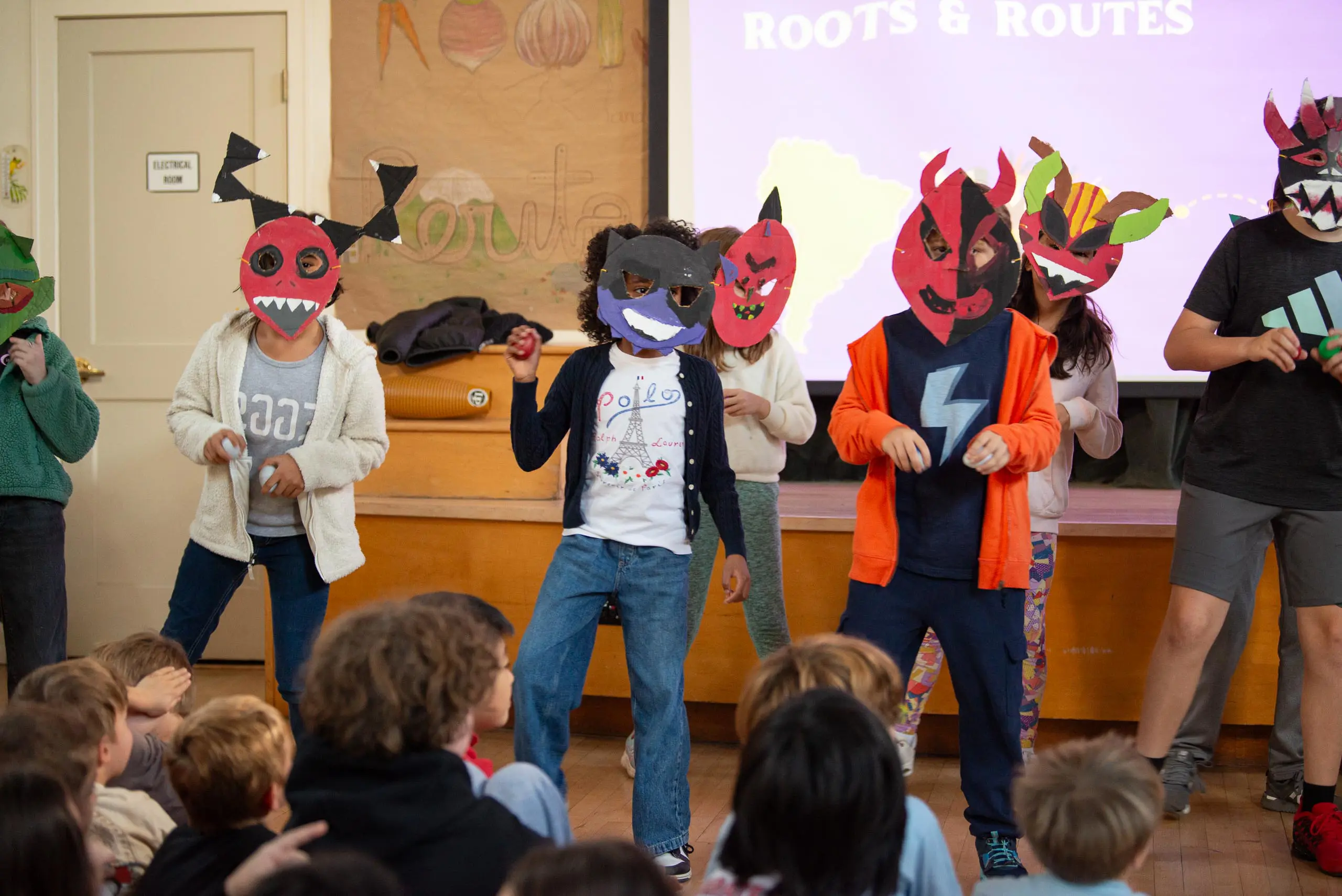
Princeton Friends School recognizes Heritage Months & Awareness Days as an opportunity to honor historical moments, celebrate cultures, and deepen our understanding and commitment to inclusivity, equity, and justice. Heritage Months and Awareness Days are important in providing the space to teach and learn about cultural history and contributions to American and global society, as well as to examine social justice issues. These days can inform curriculum, expand empathy, and inspire action.
How we Select Themes
The heritages and themes we highlight are based on student interest, curriculum, and what the United States government has federally designated. Additionally, these days are meant to raise awareness of historically marginalized groups. These groups were (and some continue to be) denied full participation in mainstream cultural, social, political, and economic activities through United States laws, practices, or belief systems. A community-wide invitation is extended to those who would like to share about a specific cultural holiday or tradition, including, but not limited to, Rosh Hashanah, Diwali, Lunar New Year, St. Patrick’s Day, Ramadan.
Objectives of Heritage Months & Awareness Days
- Provide asset-based opportunities for students to lead and/or inform activities, lessons, and presentations
- Create culturally responsive learning opportunities within classes and during Morning Gathering and Friday community time
- Deepen family/school partnerships
- Promote opportunities to participate in observances inside and outside of school through exhibits, service learning, lectures, workshops, and performances
DEIBA at PFS
When diversity, equity, inclusion, belonging, and accessibility (DEIBA) are lived in our classrooms, programs, and community practices, we fulfill our school's mission to ensure every student is seen, valued, and able to thrive—honoring our Quaker belief that each person carries an Inner Light that deserves to shine.
| Diversity |
|---|
| The active practice of noticing, respecting, and weaving our many intersecting identities, including cultures, languages, beliefs, lived experiences, personalities (and many more) into the daily life of our school community. |
| Equity |
| The ongoing work of removing barriers that limit fair treatment, access, opportunity, and participation—especially for communities historically pushed to the margins. Equity asks us to create conditions where each person can thrive, move beyond a “one size fits all” approach, practice continuing revelation, and honor all progress on a longer journey toward justice. |
| Inclusion |
| The intentional creation of a school culture where students, families, and colleagues can bring their whole, authentic selves without fear of judgment or consequences, inviting connection, shared voice, and respect for everyone’s contributions. |
| Belonging |
| The felt outcome of effective inclusion: people experience being seen, accepted, valued, affirmed, connected, safe to grow, and encouraged to advocate for change. Belonging strengthens trust across the community and unlocks access to greater academic and personal achievement. |
| Accessibility |
|
The proactive design of physical, digital, and social environments so everyone can participate with dignity and independence. Accessibility blends universal design with individualized accommodations for sensory, mobility, cognitive, and language needs. In prioritizing accessibility, all community members are better able to thrive. |
For a more comprehensive resource, check out the United Nations Glossary by clicking here!