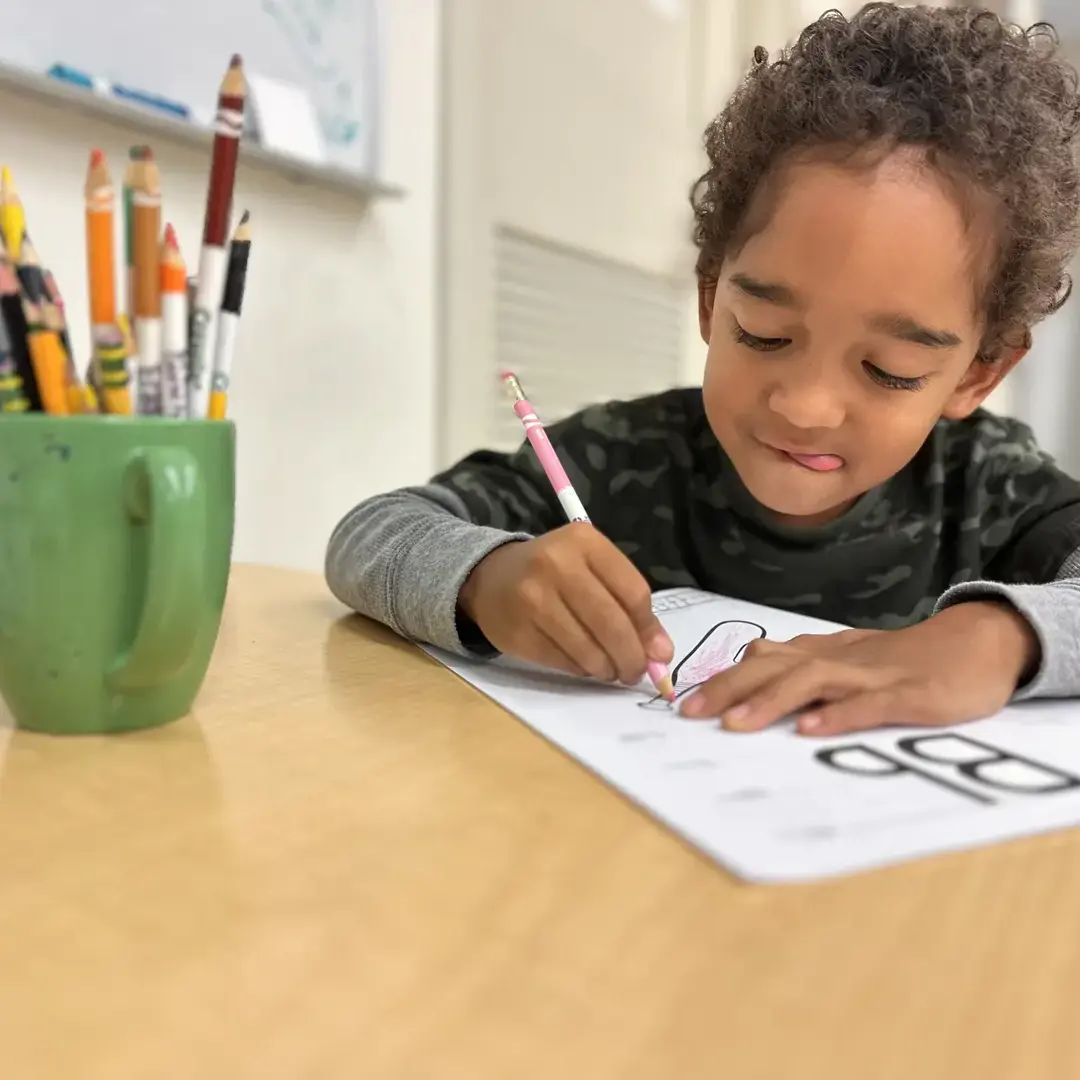

With our time-tested and research-based progressive educational model, our experienced faculty let curiosity take the lead. They delight in guiding each child to inquire freely and then synthesize, analyze, imagine, create, meet challenges, and navigate multiple perspectives, complex answers, and more questions. |
|
|
| Learning, like life, is often experiential, usually interdisciplinary, and always changing. | Schedule Your Campus Tour |
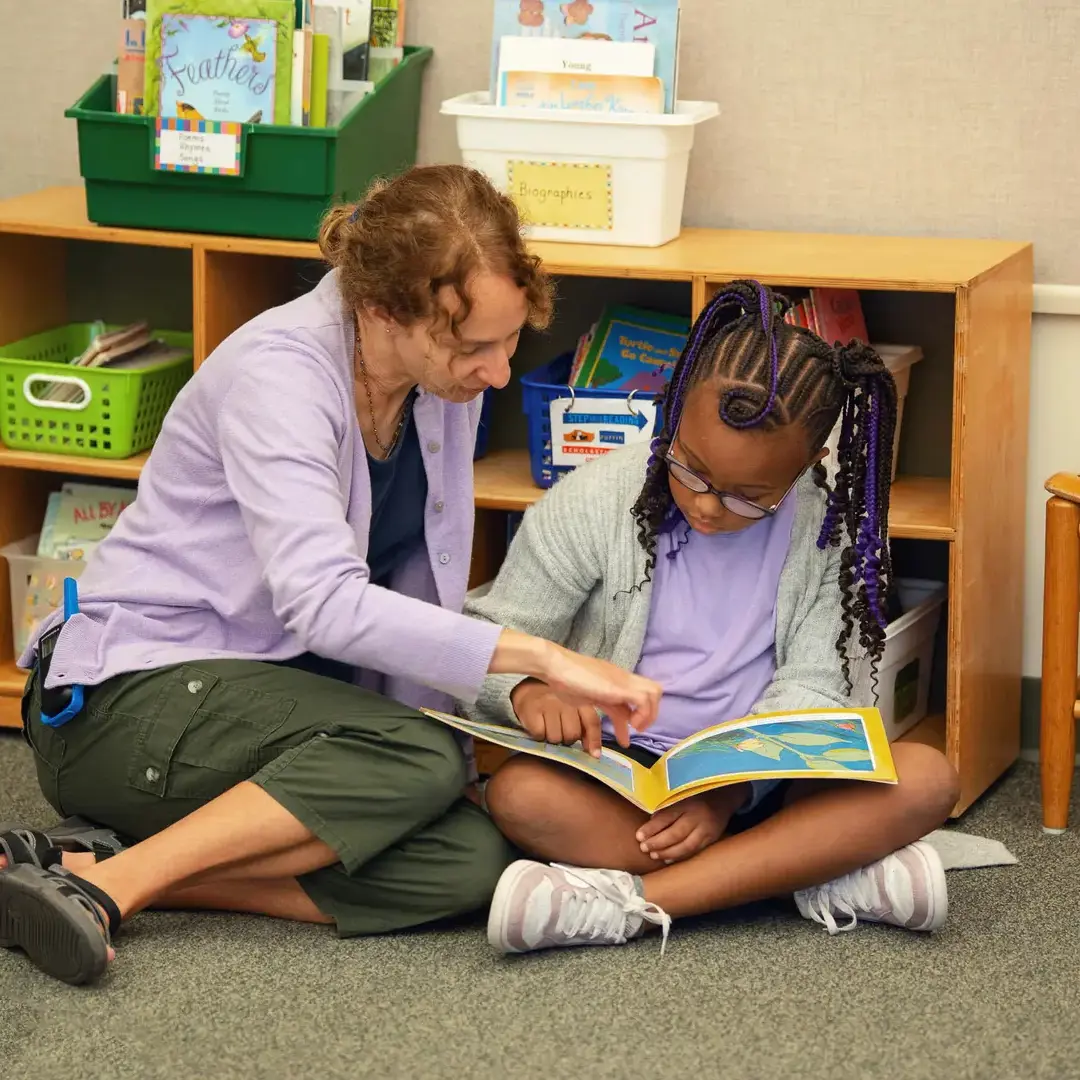
| As a progressive school, academics blend intellectual challenge with a deep commitment to the whole child. Rooted in curiosity, collaboration, and reflection, our approach moves beyond rote memorization to foster critical thinking, creativity, and problem-solving in real-world contexts. Students are active participants in their learning, engaging in hands-on exploration, interdisciplinary projects, and meaningful dialogue that connect academic content to their lives and the wider world. Guided by Quaker values, we nurture both intellectual growth and social-emotional development, helping students see themselves as capable learners and compassionate community members. | We believe rigor is not defined by volume or speed, but by depth, purpose, and engagement. In our classrooms, this means asking thoughtful questions, exploring multiple perspectives, and pushing ideas further through inquiry and reflection. It’s found in the persistence to tackle challenging problems, the courage to take intellectual risks, and the ability to collaborate effectively. By redefining rigor in this way, we prepare students not just for the demands of high school and college, but for lives of meaning—where knowledge, integrity, and empathy work hand-in-hand to shape the kind of world they want to create. |
I often say that Princeton Friends was better than Harvard in terms of educational quality and experience. The idea that people can play and discover in school was revelatory—I didn’t get back to that until my second year in graduate school.
Dr. Joshua Peek, Astrophysicist, Class of 1993
Academics in Action
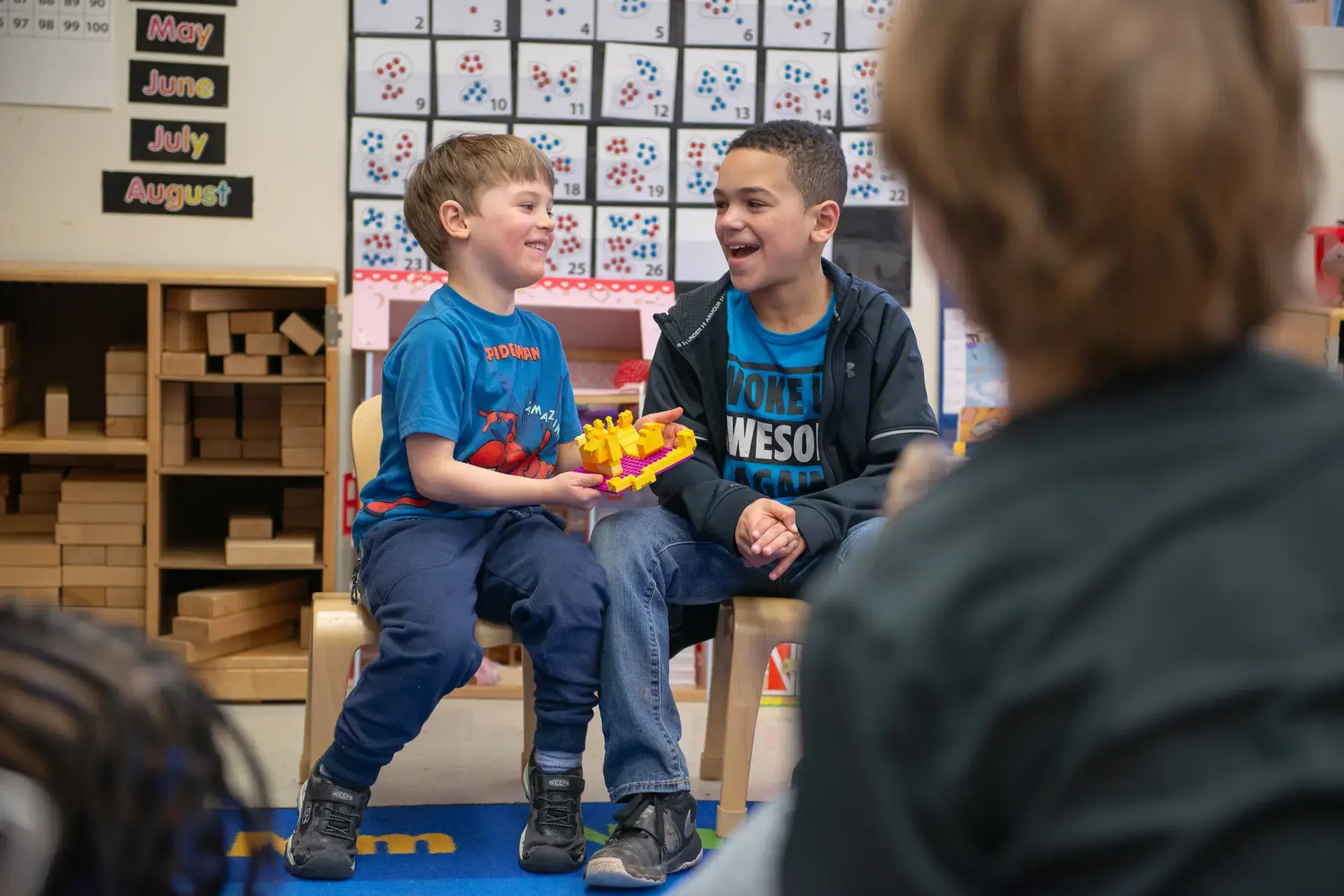
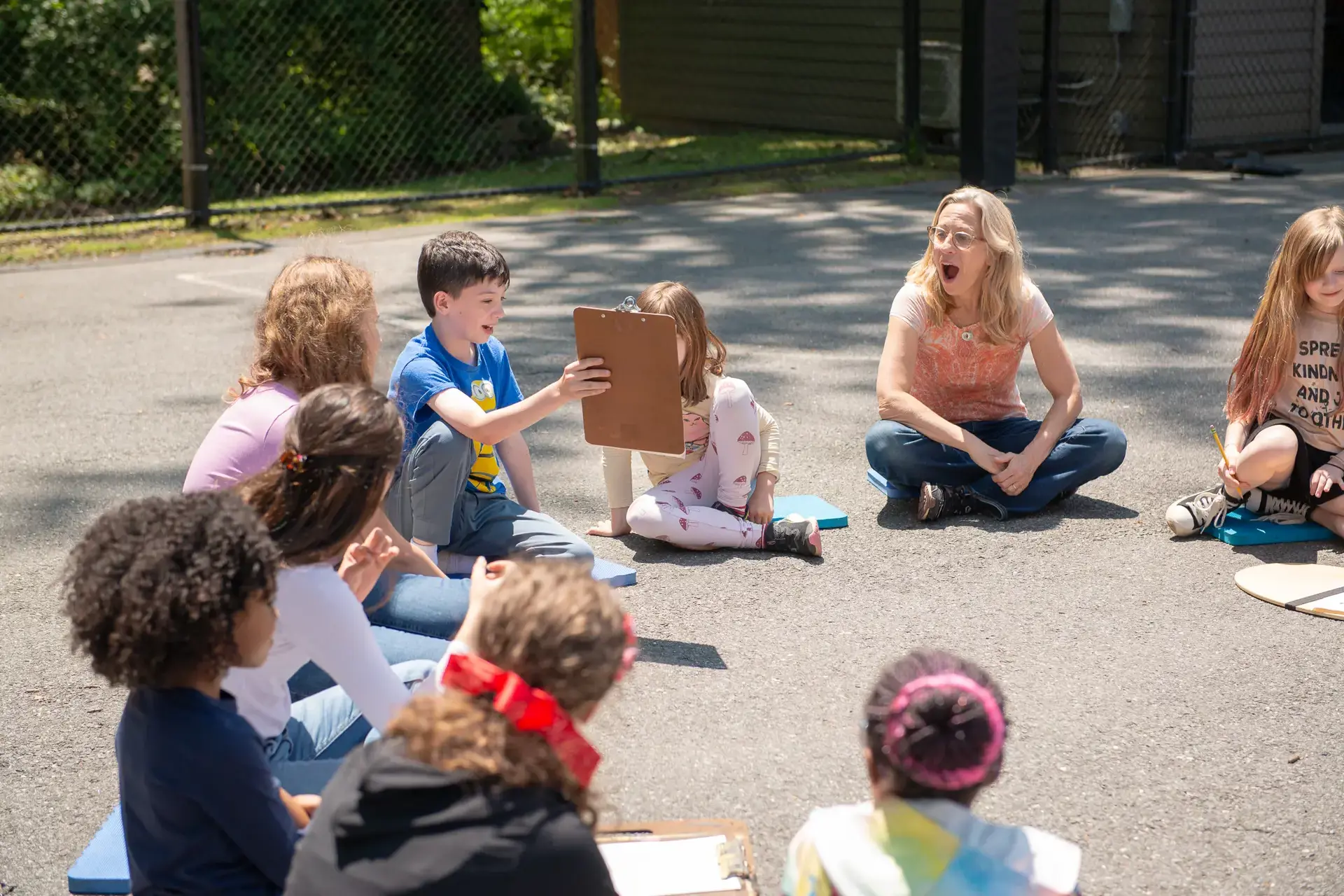
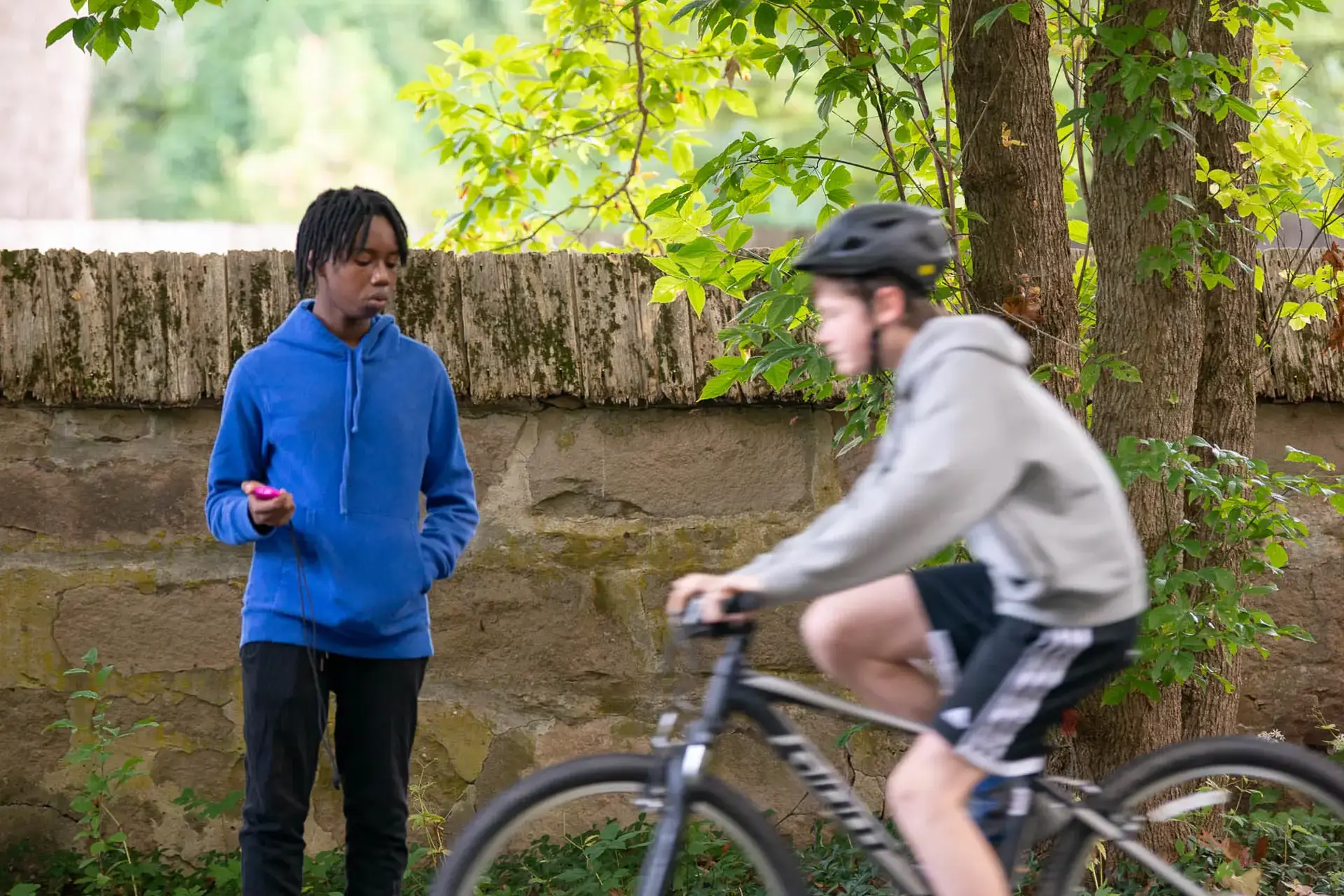
Always Supported, Never Pressured
Our Approach to Homework. We believe in a balanced approach that honors both academic growth and the well-being of children, recognizing the potential benefits of meaningful homework—such as practicing skills, preparing for discussions, building habits of responsibility, and reinforcing a love of learning. At the same time, we are deeply aware of the drawbacks of over-assigned or misaligned homework, including student stress, reduced family time, and fewer opportunities for play, creativity, and rest. Our goal is to ensure that homework is assigned only when it meaningfully deepens learning and serves the whole child, aligned with the values of a progressive, Quaker education.
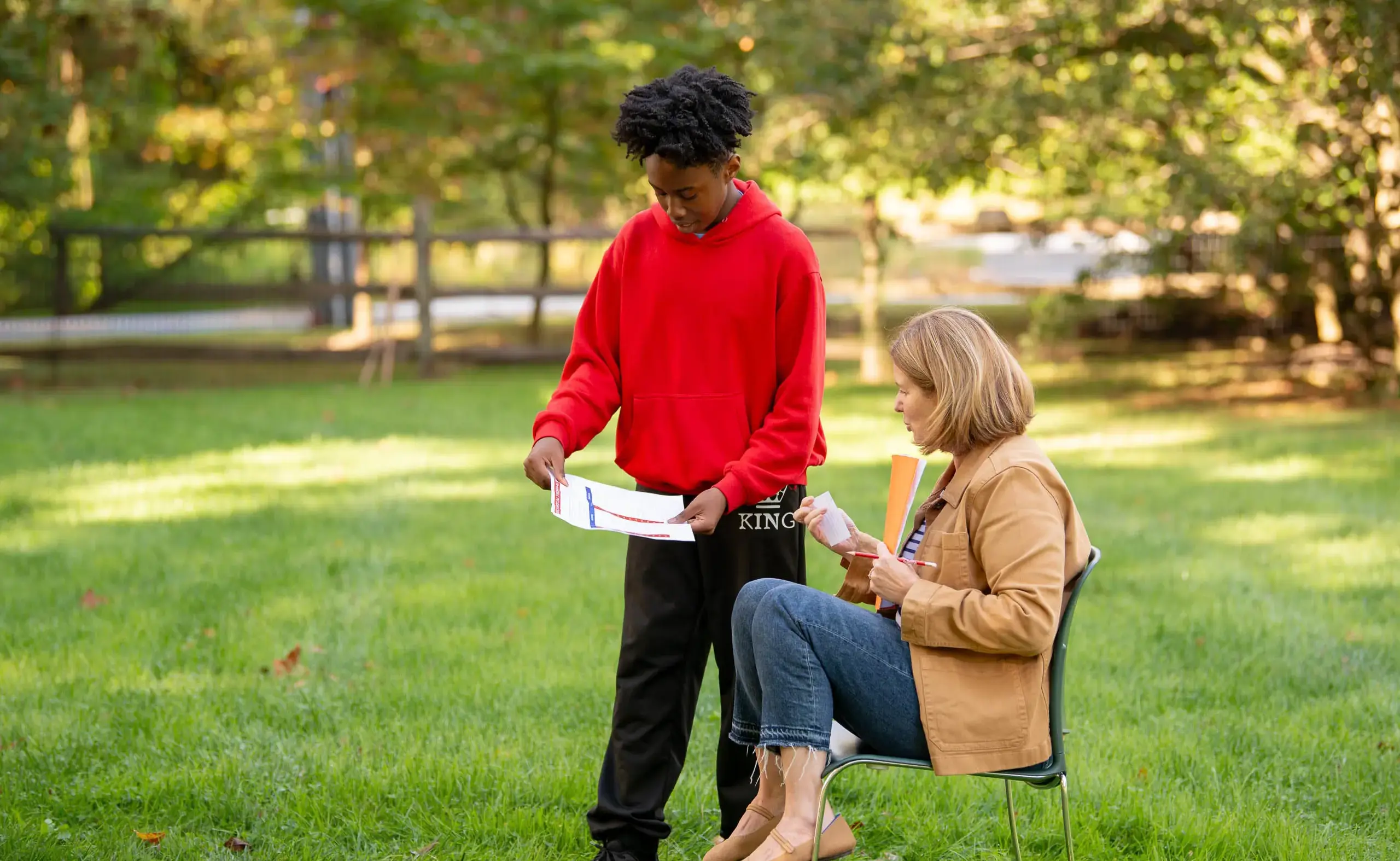
Reflective Feedback Over Grades. Twice a year, teachers write detailed reports describing each student’s progress, strengths, and areas for growth, offering a fuller and more nuanced picture than grades alone. Paired with multiple parent-teacher conferences, some student-led, this approach reflects PFS’s progressive philosophy—fostering self-reflection, intrinsic motivation, and a focus on mastery over competition.
Up next: Preschool & Kindergarten |