
The work of our early elementary learners is joyful, purposeful, and deep. Our first, second, and third graders are ready to stretch both their minds and their independence, connecting more dots, noticing more patterns, and asking more questions. |
|
|
In first through third grade, our progressive, Quaker approach blends strong academics with whole-child learning, fostering confidence, curiosity, and community through consistent relationships and developmentally responsive teaching. |
Explore More About Academics |
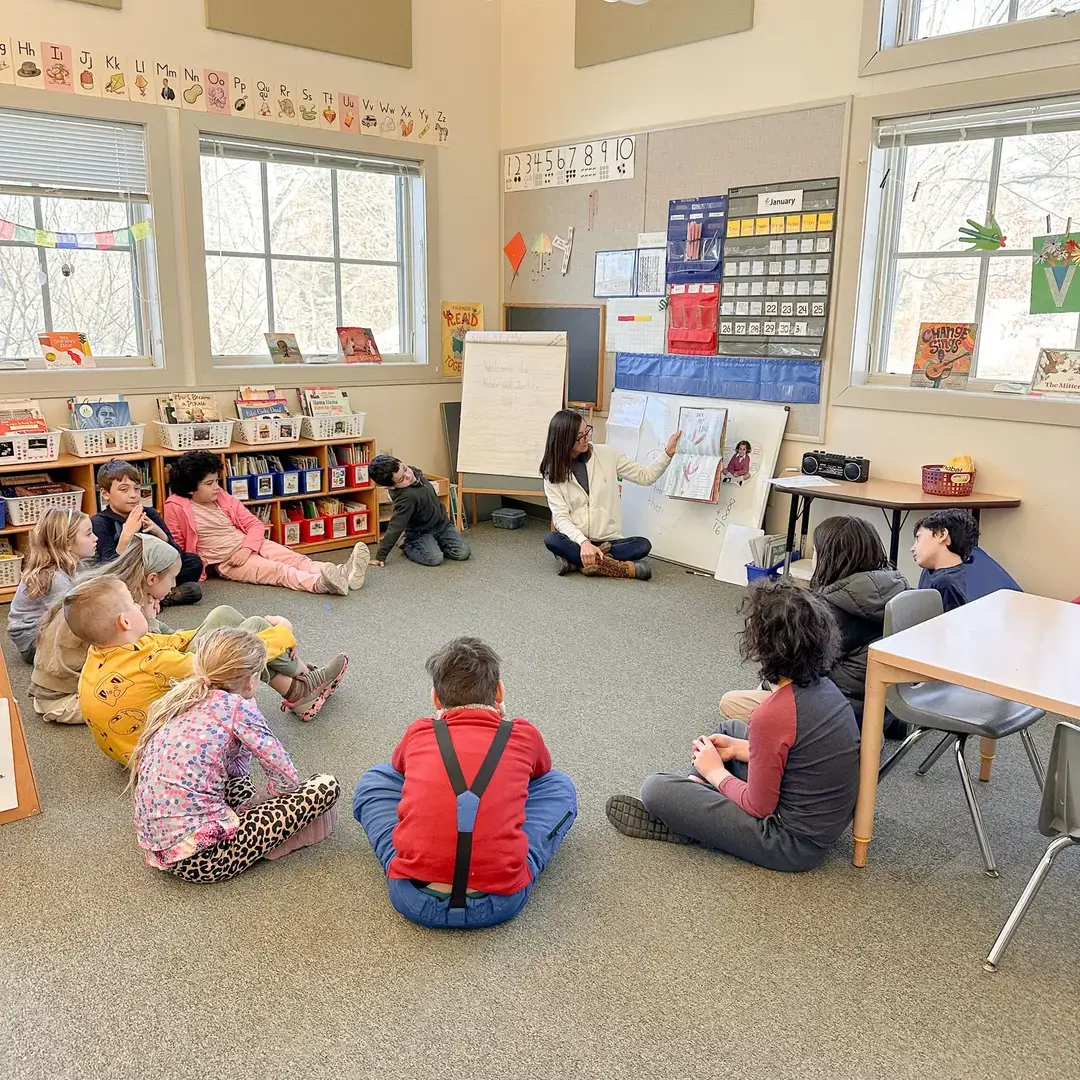
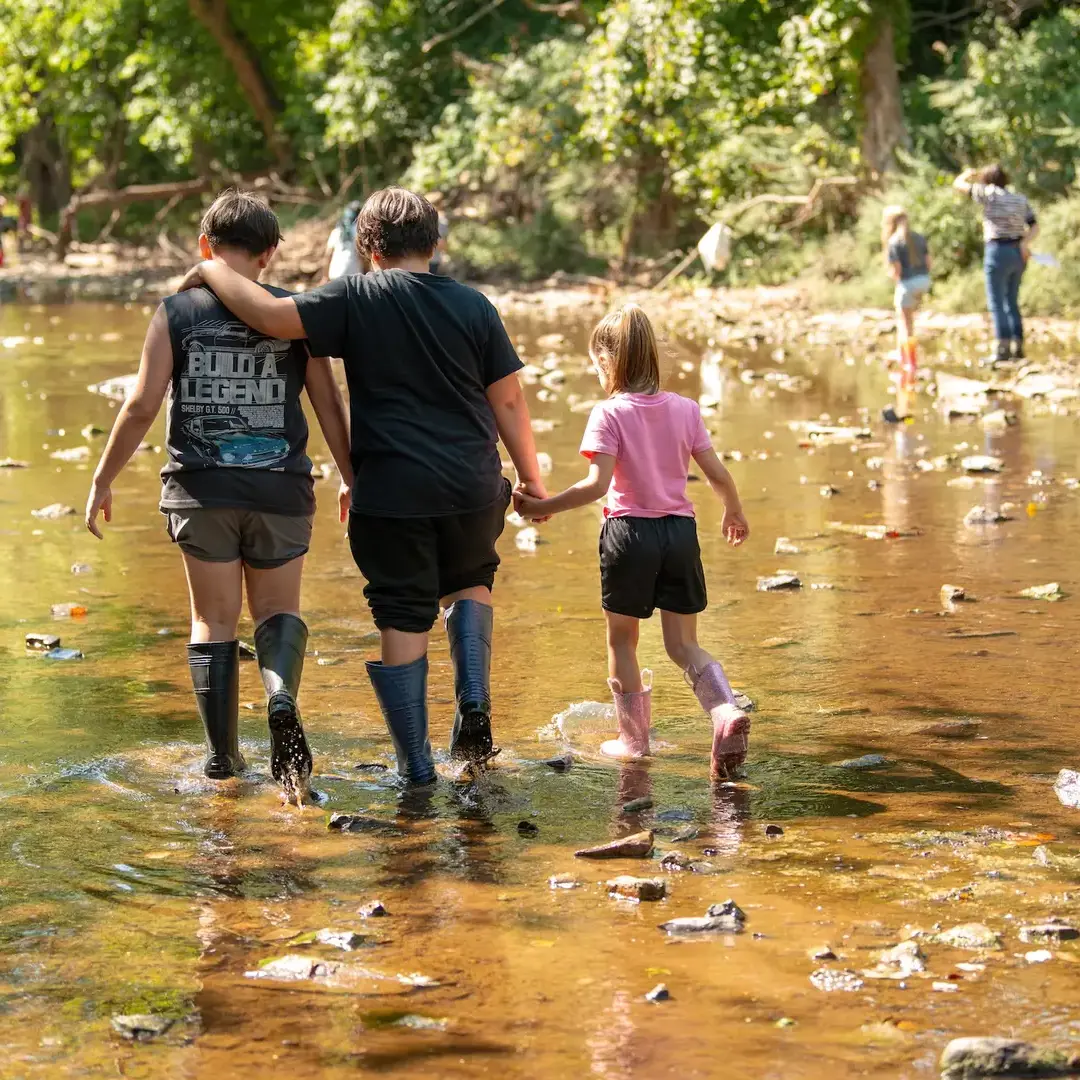
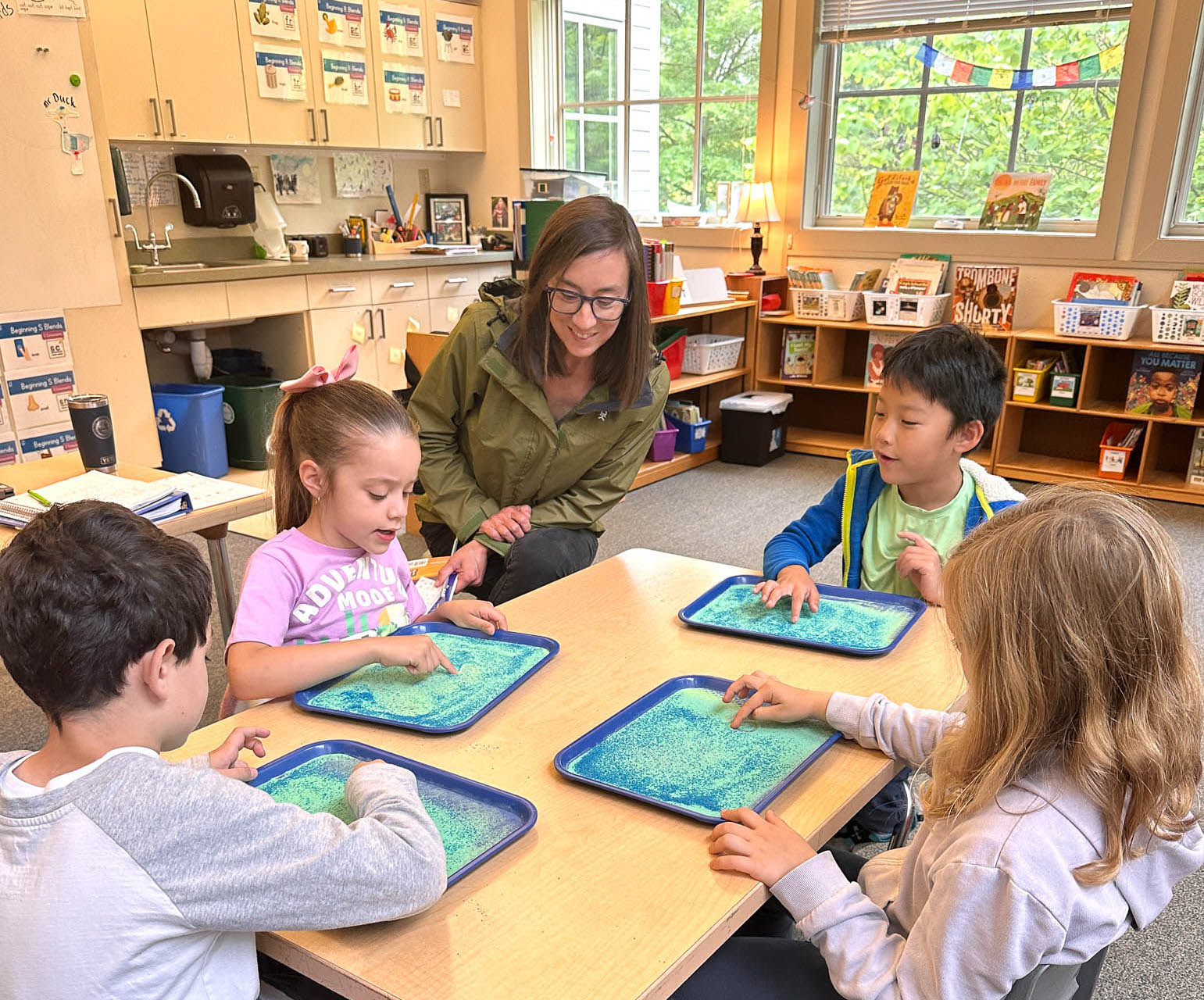
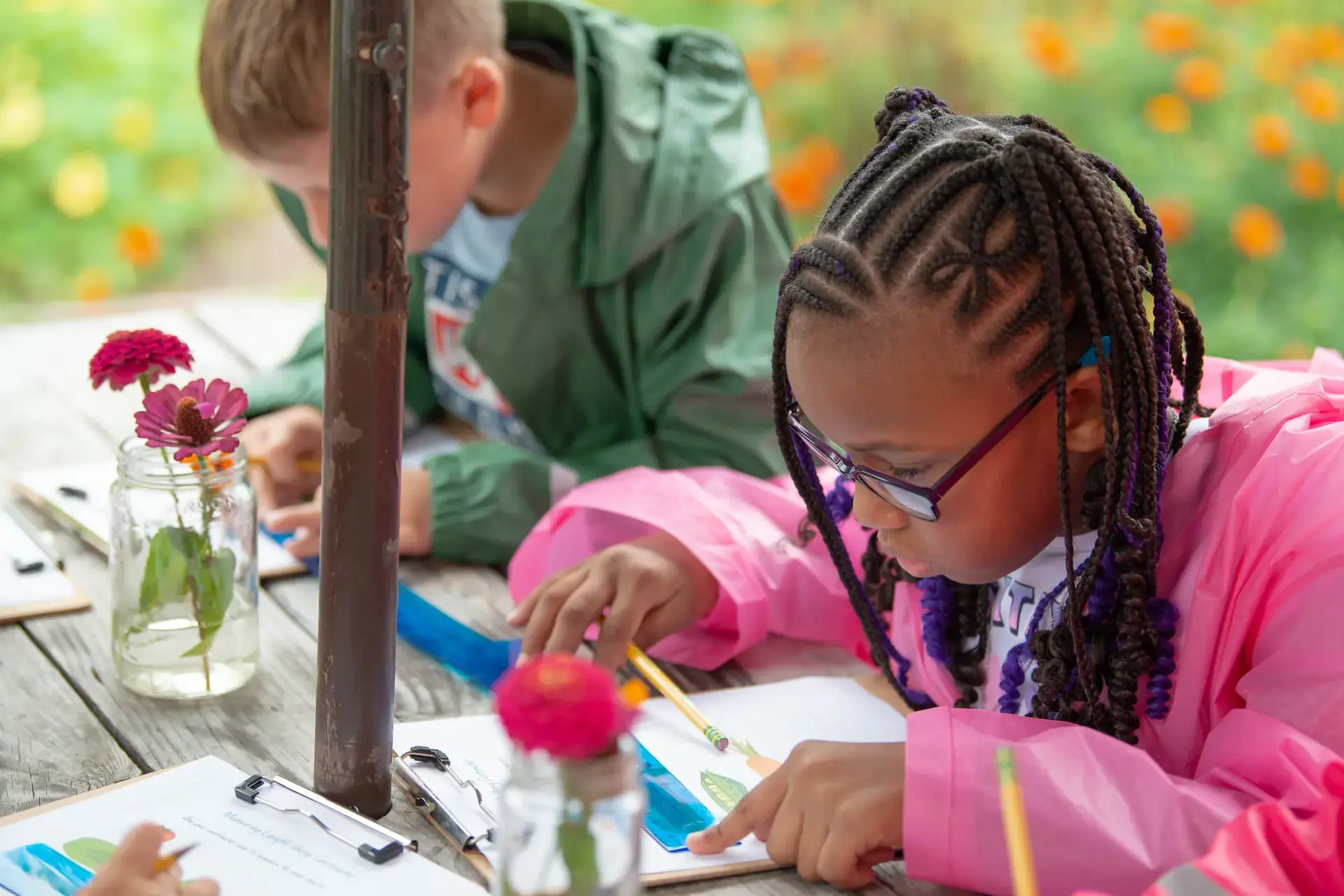
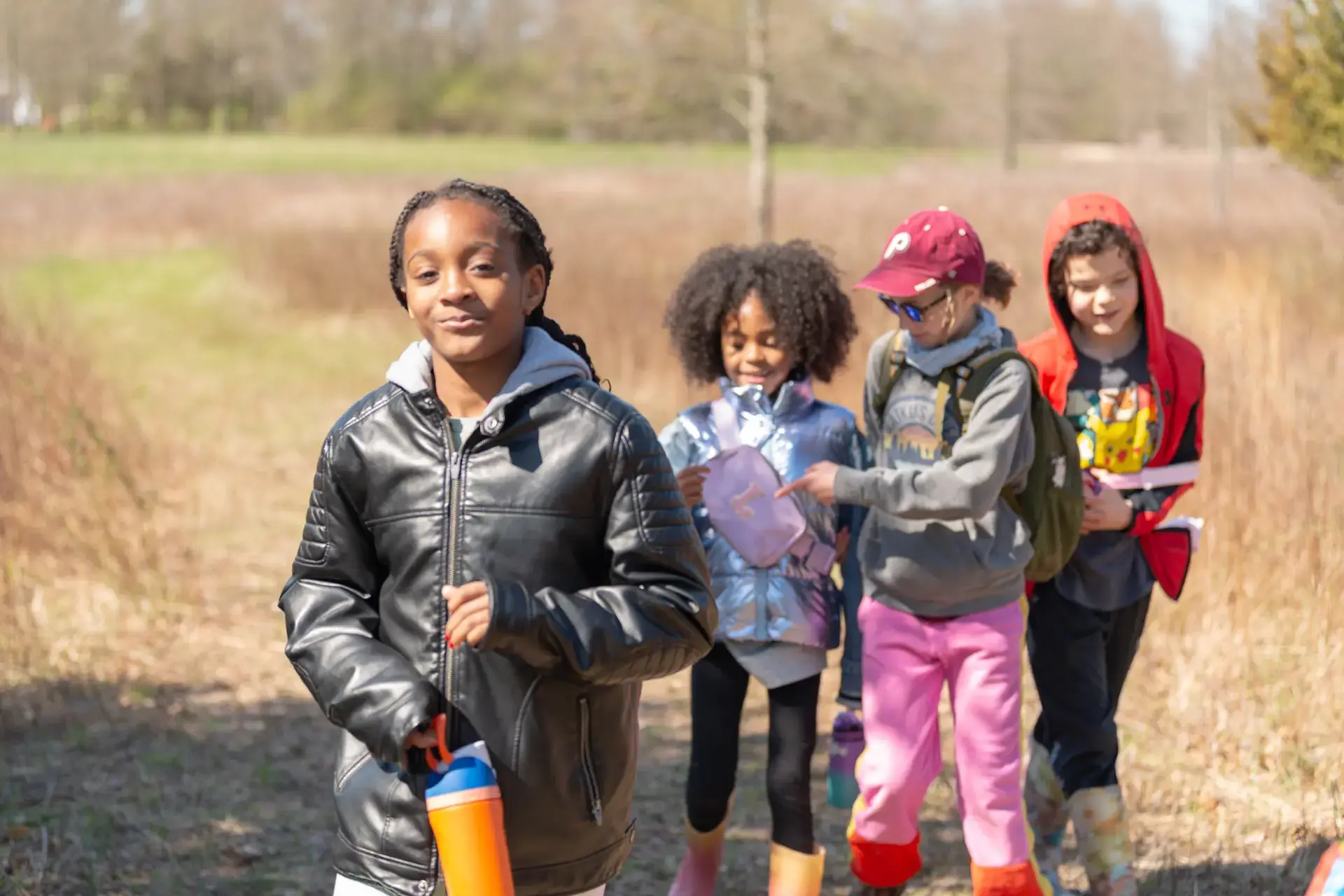
| Across these vital years, our early elementary students use every part of themselves to learn: their hands and hearts, their questions and discoveries, their kindness and courage. We build meaning together as we build villages in community while strengthening communication and conflict resolution skills, problem-solve together as we dive into a science experiment or see how far the puddle water we jump into will splash, or grow as friends and stewards as we participate in an all-school service project or dance hand-in-hand with a middle school meeting partner. | We know what it feels like to be part of a community, to challenge ourselves, to embrace mistakes and try again. And when the time comes to soar a little higher, we’ll be ready—grounded in all we’ve learned, and carried forward by the delight of learning itself. |
PFS raised me and built a foundation of morals and kindness that became my spine, which I carry to this day.
Laura Shinn, alum
Academics in Action
SEL in Elementary School
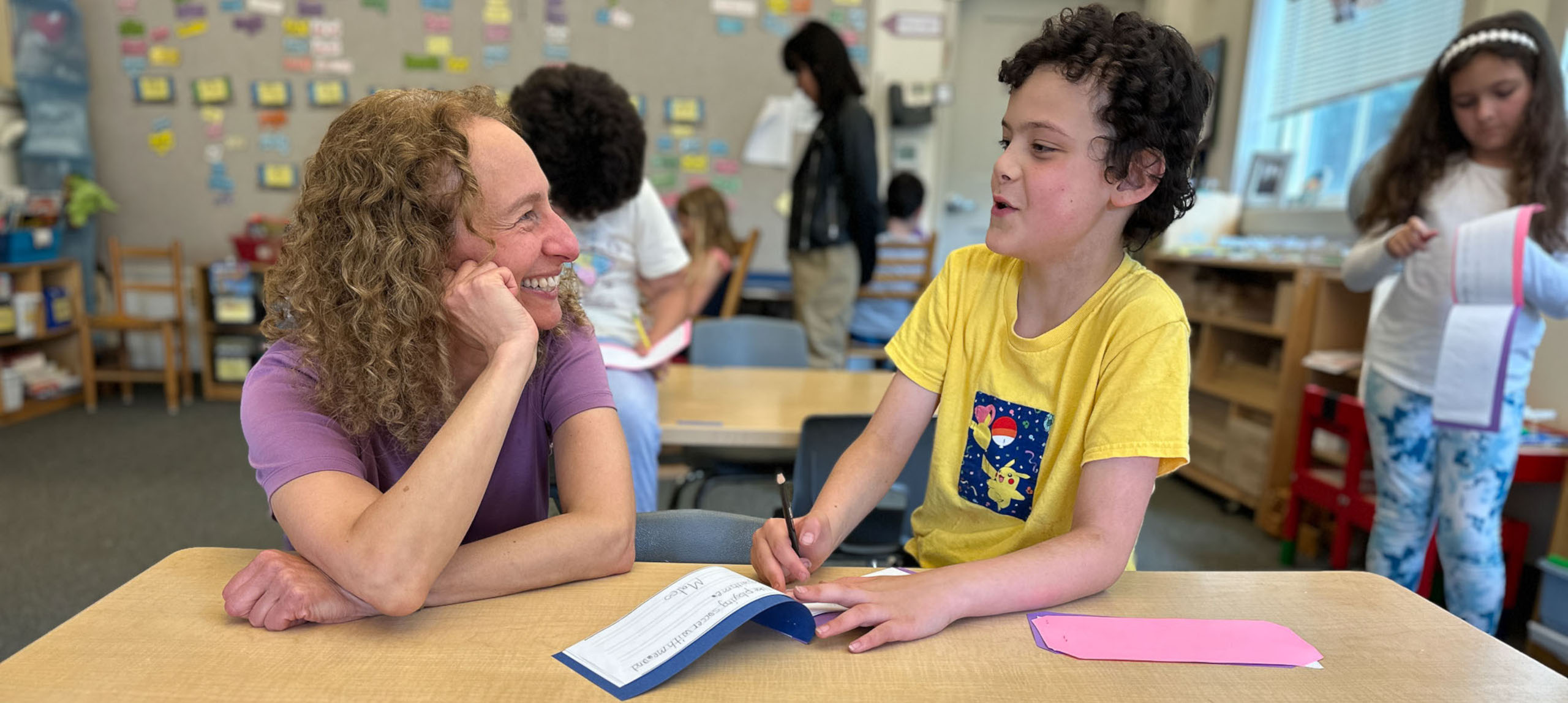
At this stage, children are developing greater self-awareness and navigating increasingly complex social relationships. Our approach to SEL—rooted in the Responsive Classroom framework—emphasizes community-building, emotional intelligence, and respectful communication. Teachers provide consistent modeling and support, while students engage in daily routines, morning meetings, and reflection practices that build empathy, resilience, and cooperation.
SEL lessons and everyday interactions help students develop strategies for managing emotions and behavior, strengthen communication and conflict resolution skills, collaborate effectively with peers, and understand fairness, kindness, and responsibility within a community.
Up next: Lower School (4th-5th) |